
Recognising that you might be experiencing domestic abuse can be an incredibly difficult realisation. Sometimes, the signs aren’t obvious, and many people doubt whether what they’re going through actually counts as abuse. If you’re feeling confused, scared, or unsure, know that you’re not alone. Understanding what domestic abuse really is — and recognising the signs — is a vital first step towards seeking help and protecting yourself.
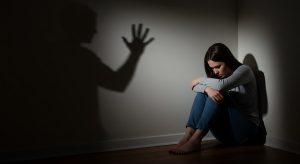
Domestic abuse isn’t just about physical violence. While hitting or hurting someone physically is a form of abuse, it can also include emotional, psychological, financial, or sexual abuse. These forms of abuse often happen together and tend to escalate over time. Many victims find themselves trapped in a cycle of behaviour they struggle to recognise or articulate, even to themselves.
There are many different ways abuse can manifest. Physical abuse involves hitting, slapping, pushing, or causing harm through violence. But emotional or psychological abuse can be just as damaging — for example, when a partner constantly criticises, belittles, or intimidates you. It might involve name-calling, manipulation, or controlling your behaviour, such as telling you who you can see, where you can go, or what you can do. Financial abuse is another common form, where your partner may limit access to money, prevent you from working, or control your finances to exert power over you. Sexual abuse, on the other hand, involves any sexual activity that you do not consent to, or coercion and threats used to force sexual acts.
So, how do you know if you’re experiencing abuse? There are some telltale signs, although they may feel subtle or difficult to recognise. Feeling afraid of your partner — even if you can’t pinpoint exactly why — is a strong indicator. You might find yourself constantly apologising or making excuses for your partner’s behaviour, or feeling like you’re walking on eggshells, unsure of what might set them off. Many victims feel isolated from friends and family because their partner may deliberately cut them off from outside support. If your partner criticises, mocks, or undermines your opinions and wishes, it’s a sign that your emotional well-being might be at risk. Physical injuries, like bruises or scratches that you can’t explain, are obvious signs, but emotional and psychological damage can be just as harmful — even if it’s invisible.
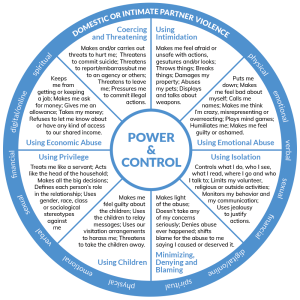
It’s important to remember that abuse doesn’t always look the same for everyone. Some people experience it more subtly, especially emotional or psychological abuse, which often leaves no physical scars. If you’ve ever felt anxious about upsetting your partner or felt more like a ‘shadow’ of yourself, those feelings can be signs of an unhealthy or abusive relationship.
Many victims find themselves staying in these relationships for various reasons — fear of retaliation, financial dependence, shame, or hope that things will change. It’s common to doubt oneself or to worry about what others might think, which can make it even harder to recognise that you’re in danger.
If any of this sounds familiar, what should you do next? First, trust your instincts. If you feel uncomfortable, scared, or unsure, these feelings are valid. Reach out to someone you trust — a friend, family member, or professional — and talk about what you’re experiencing. Creating a safety plan is also vital — think about places you can go if you need to leave quickly, keep important phone numbers handy, and consider how to secure your communication and movement if necessary.
Help is available, and you don’t need to face this alone. There are organisations, helplines, and support services dedicated to assisting victims of domestic abuse. The National Domestic Violence Hotline (in the UK, services such as Refuge and Women’s Aid) can offer guidance and support tailored to your needs. Remember, your safety must come first — and no one deserves to live in fear or control.
One woman’s experience highlights how emotional abuse can silently wear down someone’s confidence and sense of self. She was a mother to a small child, trying her best to provide a loving home, but her husband’s behaviour made her feel like she was constantly doing everything wrong. He would undermine her in front of their friends and family, making her feel stupid or inadequate. Every mistake she made — even innocent ones — was met with harsh criticism or a dismissive remark.
When she tried to leave several times, her husband would twist the situation, treating her like a naughty child needing a ‘time out’ — locking her in her room and threatening to take away her child. He would disappear with their child for days on end, leaving her feeling helpless and believing that if she left, she’d never see her child again. She felt trapped in a cycle of hope and despair until one day, overwhelmed by emotion, she broke down in tears in front of a friend. Her friend listened carefully and gently encouraged her to seek help. When she finally confided in her GP, she realised she’d been living in an abusive situation for years — emotionally manipulated, threatened, and isolated from everyone she loved. Support and professional intervention gave her the strength to begin rebuilding her life, recognising that she was not at fault. Her story is a powerful reminder that abuse can hide behind a veneer of normalcy and that seeking help is a sign of strength.
Not all abuse is overt or physical. Some surviours suffer from subtle, insidious forms of sexual coercion within seemingly ‘normal’ relationships. One woman shared her experience of feeling pressured into sexual acts she didn’t want and being guilt-tripped or manipulated into agreeing. Her partner often made her feel that it was her fault if she didn’t want intimacy — criticising her appearance or accusing her of ‘not loving’ him enough. Over time, these jabs became a frequent source of emotional pain, eroding her confidence and sense of autonomy.
She often felt trapped, unsure whether she was simply being ‘difficult’ or whether her boundaries truly mattered. It was only when she started talking openly with friends and eventually sought counselling that she recognised this behaviour as sexual abuse. It’s important to remember that coercion or pressure isn’t consent, and feeling uncomfortable or pressured in a sexual situation is a sign that your boundaries must be respected.
While societal expectations often discourage men from seeking help or talking openly about abuse, many do suffer from psychological or emotional abuse in their relationships. One man shared his story of enduring manipulative behaviour from his partner, who would undermine his confidence and shame him into feeling inadequate. She would accuse him of being ‘weak’ or ‘useless’ for not doing things her way, making him feel ashamed to admit how much it was affecting him.
He felt trapped, unable to speak out due to fears of being judged or labelled ‘less of a man’ — even though he was suffering deeply. Over time, he started withdrawing socially and felt his self-esteem plummet. It wasn’t until he confided in a close friend and sought therapy that he realised he was a victim of psychological abuse. His story highlights that abuse isn’t limited to women and that everyone deserves support and respect, regardless of gender.
Domestic abuse can take many forms and affect anyone, regardless of gender, age, or background. Recognising the signs — whether emotional, sexual, physical, or psychological — is crucial in taking the first step toward safety and healing. If you or someone you know is in an abusive relationship, remember that help is available. People like your GP, support organisations, and helplines exist to provide guidance and assistance.
No one deserves to live in fear or feel ashamed for seeking help. By sharing these stories and raising awareness, we can foster a society where victims feel empowered to speak out and find the support they need. Your safety and well-being matter — don’t hesitate to reach out.
Recognising the signs of domestic abuse can be difficult, especially when control, fear, or manipulation have slowly become part of everyday life. But awareness is a powerful first step toward reclaiming your safety and your future. Abuse can take many forms — emotional, psychological, financial, or physical — and none of them are something you have to tolerate or feel ashamed of. What is happening is not your fault, and your wellbeing matters more than staying silent.
If you are reading this and something feels familiar, or you have a quiet sense that something is not right, please know you do not have to face it alone. Reaching out can feel overwhelming — it may even be the hardest step — but it is also the most important one. Whether that means speaking anonymously to a helpline, opening up to someone you trust, or seeking professional support, there are people who will listen and believe you.
Your feelings are valid. Your experiences matter. And there is hope beyond the pain. You deserve safety, respect, and happiness. Take that first step when you feel ready — you do not need to carry this burden on your own. Support is available, and you are not alone.

Hi there, my name is Carina,
I support survivors of domestic violence / Intimate partner violence, to understand and process the emotional and psychological symptoms so that you live your life feeling safe in your own skin, gain peace and joy in everyday moments and trust yourself and others again.
Camberwell
Southwark
London SE5 7HN
©BeSeenCounselling2026